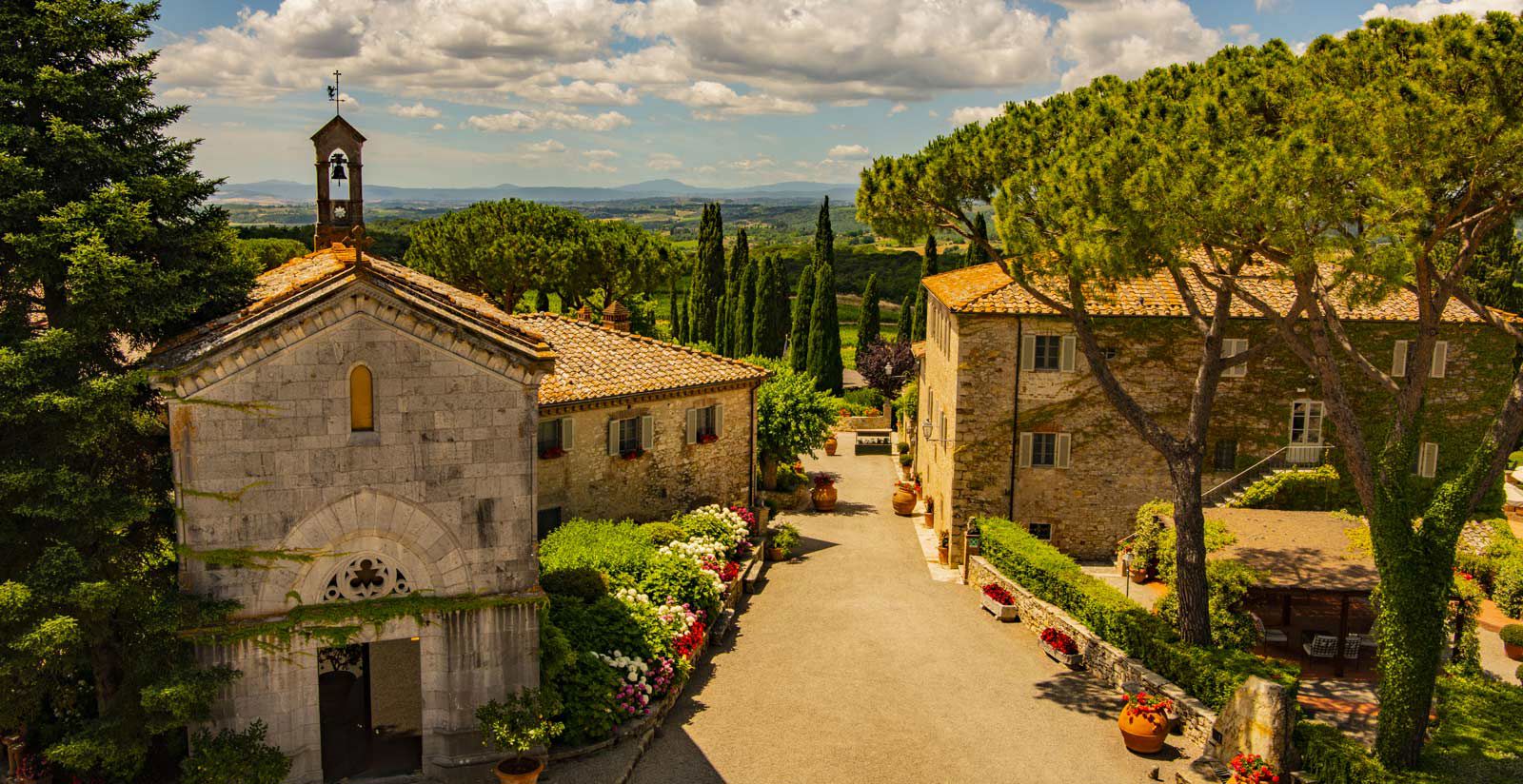
Plan a team retreat in Tuscany, where private villas, medieval castles and Chianti vineyards create the perfect setting for focus, reflection and connection.
Tour Sangiovese vineyards and historic cellars in Chianti Classico, less than an hour from Florence
From October, hunt white truffles with a local tartufaio and their dog in the hills around San Miniato.
Florence Peretola is 20 min from the Duomo, and Pisa adds wider European routes, both close to most estates.
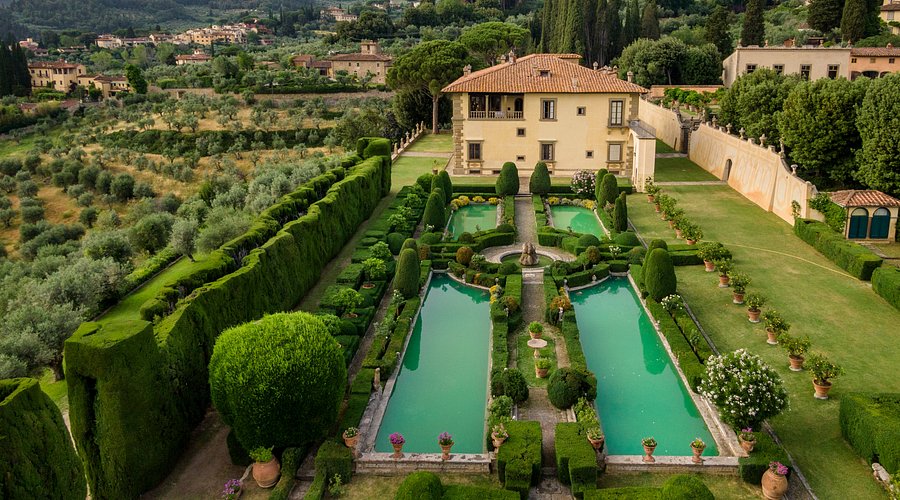
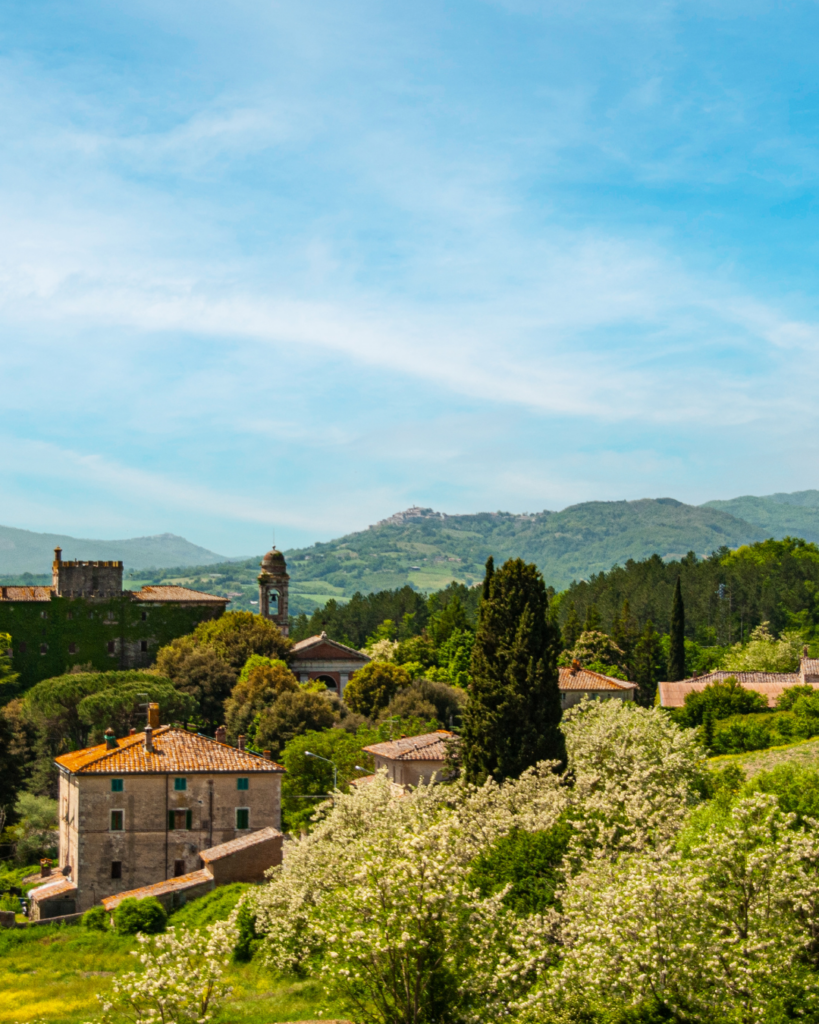
Medieval castles near Florence, like those in Chianti Rufina, can be booked in full for exclusive team stays.
Tuscany is the right choice when a group wants a countryside reset rather than a city offsite. Florence and Pisa airports put most estates within 30 minutes to two hours by road, and Florence’s Santa Maria Novella station connects to Rome and Milan by high-speed train in under two hours. Because the region’s venues are built around exclusive-use properties rather than large hotels, Tuscany is especially strong for leadership teams and strategic groups of roughly 10 to 80 people.
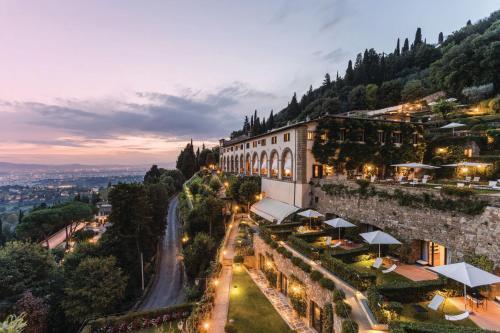
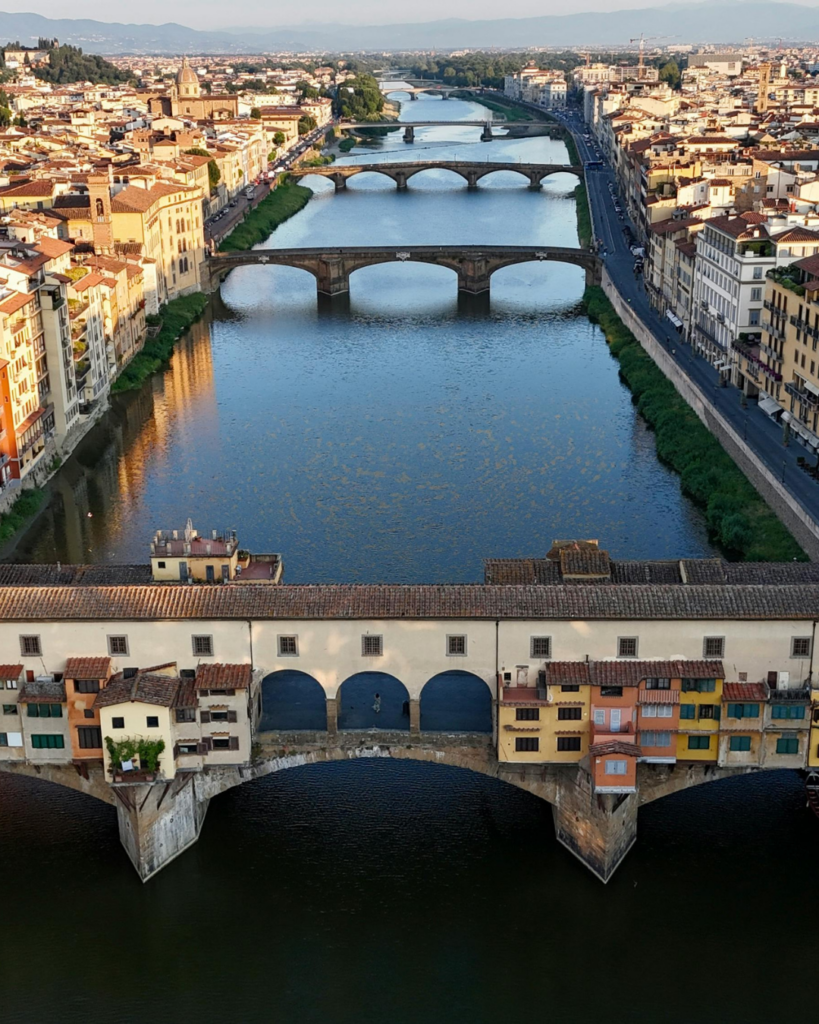
Within that intimate scale, retreat venues in Tuscany offer real range: hilltop luxury hotels above Florence, private castles with their own meeting rooms, and working wine estates in Chianti and Montalcino that combine meeting space with vineyards, cellars and farm-to-table dining. With Florence, Siena and San Gimignano all close by, adding a cultural day to the programme is effortless.
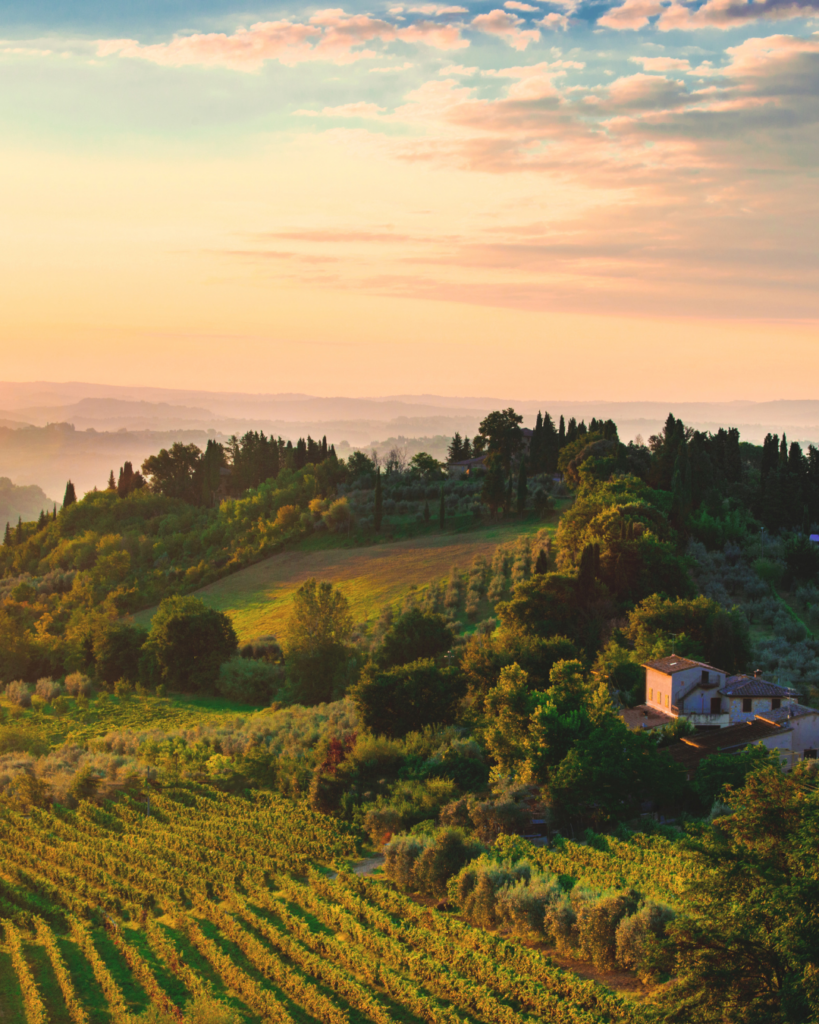
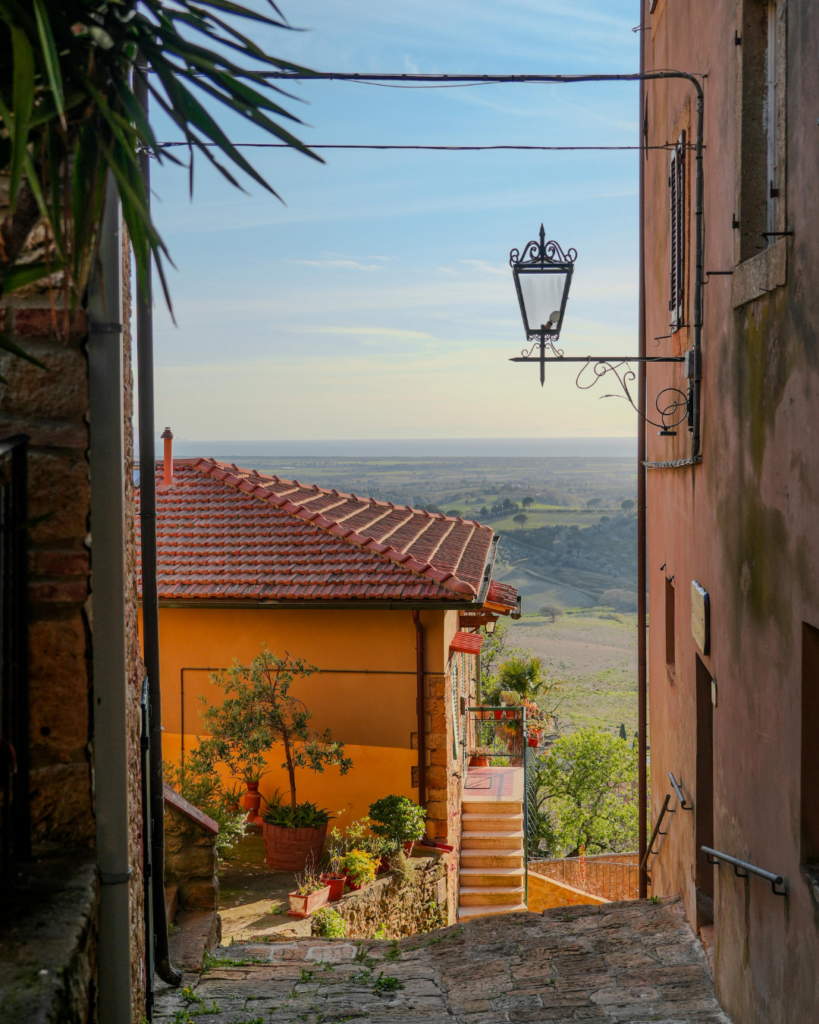
What sets Tuscany apart is how naturally it slows a group down. A morning strategy session on a terrace overlooking vineyards, a walk through olive groves between sessions, a wine tasting under medieval beams as the sun goes down: the landscape does a lot of the work a facilitator would otherwise have to force, and it tends to produce the kind of unstructured conversation that formal meeting rooms rarely do.
Two airports and fast trains to Rome and Milan from Florence
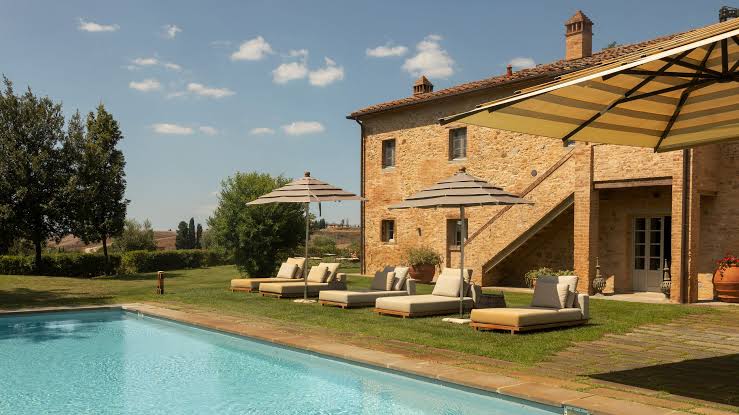
Exclusive-use castles and villas for groups of 10 to 80 people
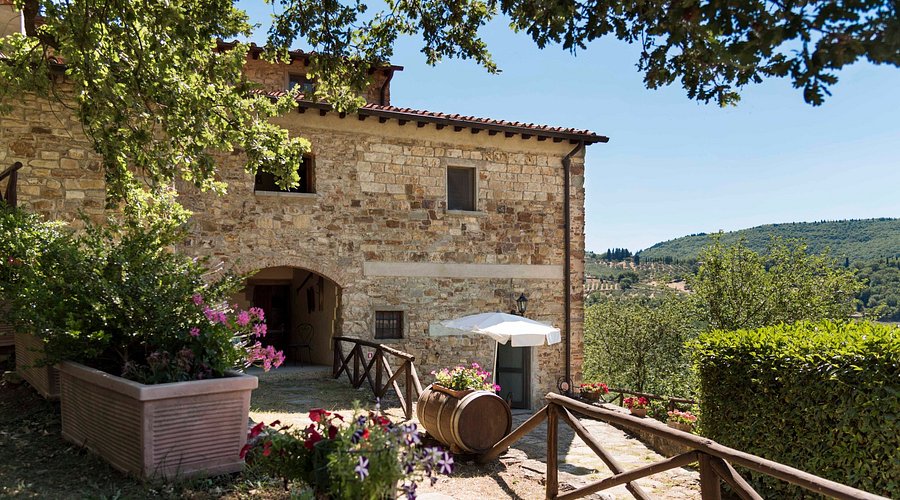
Working wine estates with meeting rooms among the vineyards
Florence, Siena and San Gimignano within easy reach
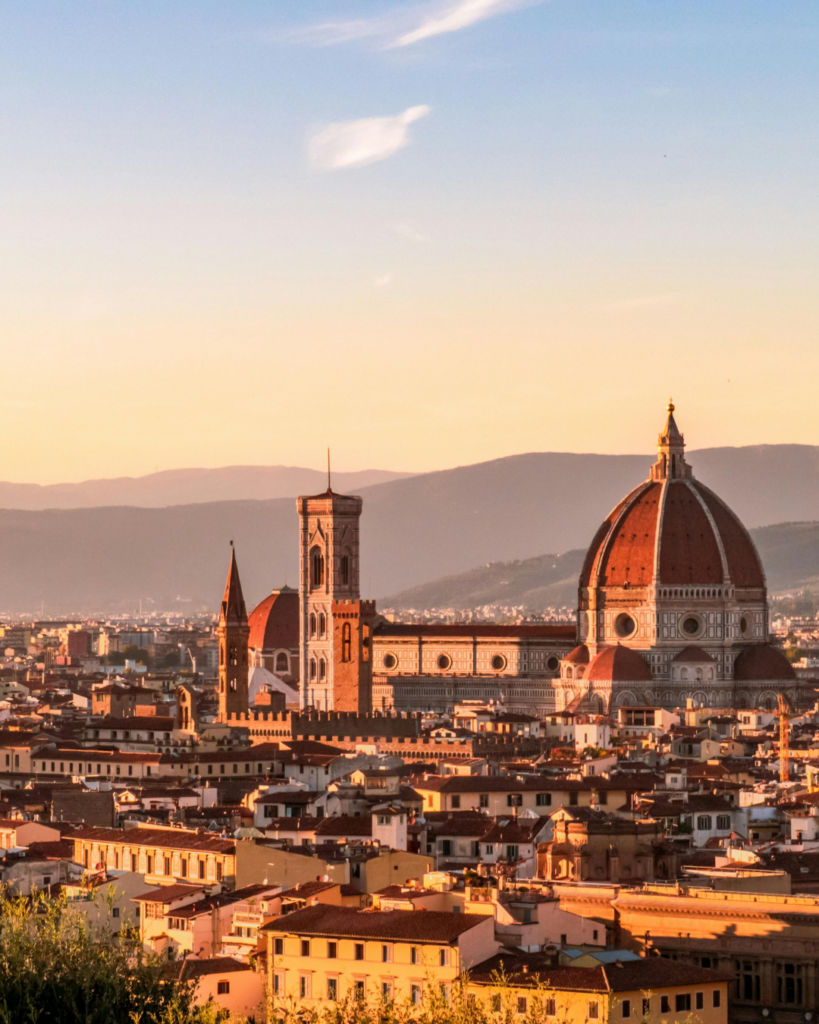
Tuscany suits teams who want a genuine reset, not just a change of scenery. A morning strategy session on a terrace overlooking the vineyards, a walk through olive groves between sessions, a tasting under medieval beams as the sun goes down: the landscape encourages the kind of unhurried conversations that formal meeting rooms rarely produce. Evenings settle into long dinners of local wine and seasonal produce, often grown on the estate itself.
With the whole property to yourselves, a company retreat in Tuscany feels private, personal and focused. For leadership groups seeking quiet, beauty and exceptional food, it’s one of the best retreat destinations in Europe.
Who a corporate offsite in Tuscany suits best:
Tuscany team activities are rooted in the land: its vineyards, its kitchens and its centuries-old hill towns. Teams can walk the rows of a Chianti estate before a guided cellar tasting, roll fresh pasta together in a farmhouse kitchen, or ride Vespas along cypress-lined roads between medieval villages. Each experience is relaxed yet hands-on, creating natural moments for conversation and connection.
For a full team building retreat in Tuscany, pair countryside experiences with a touch of culture. A day among Florence’s Renaissance masterpieces, a stroll through Siena and San Gimignano, or, in autumn, a truffle hunt and grape harvest experience each brings the team together in a different way, before every day ends with a long, unhurried dinner under the Tuscan sky.
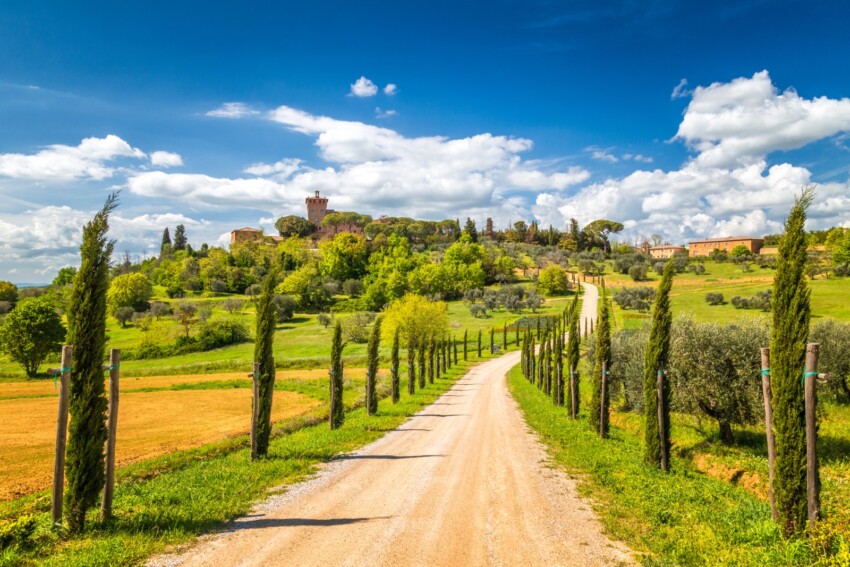
Tuscany is one of Europe’s most inspiring destinations for a corporate retreat, but a few local details can make the difference between a good trip and a seamless one. From the summer heat to the countryside distances and the villas that book out months ahead, here is what to keep in mind before you plan your team’s stay in central Italy’s most famous region.
Avoid the midday heat. April–June and September–October are ideal, with the autumn grape harvest adding a special touch to vineyard visits. In July and August temperatures often exceed 30°C, so plan activities for the morning or late afternoon and choose shaded terraces for lunch.
Distances are longer than they look. Florence to Siena takes over an hour by car, and the winding roads of Chianti and the Val d’Orcia slow travel down. Historic centres such as Florence, Siena and Lucca have restricted traffic zones (ZTL), so book private coaches and agree drop-off points with hotels in advance.
Book villas and venues early. Exclusive-use villas and wine estates are popular for weddings from May to October and often book out months ahead. In Florence, reserve the Uffizi and the Accademia well in advance, especially for private or after-hours visits.
Check local dates. Around Ferragosto (15 August), many family-run restaurants and businesses close, and the Palio di Siena (2 July and 16 August) fills the city completely. Plan around these dates unless your event is tied to them.
Language and entry. English is widely spoken in hotels and wineries, but “buongiorno”, “grazie” and “salute” (cheers) are always appreciated. Italy is in the Schengen Area and uses the euro; EU citizens need a valid ID, while non-EU travellers should check the latest entry requirements.
With these details in mind, your corporate retreat in Tuscany will feel effortless: well organised, yet relaxed enough to enjoy the landscapes, the wine and the slow pace that make it special.
 Leadership Offsite
 Cultural Experience
 Gastronomy & Nature
 Team Alignment
 Outdoor Team Activities
 Team Connection
 Strategic Offsite
 Cultural Immersion
 Executive Inspiration
 Refined Environment
 Relaxed Business Setting
 Strategic Reset
 Outdoor Activities
 Coastal Venues
 Team Alignment


Get the answers you need to plan your perfect desert safari, from booking details to tour highlights.
A corporate retreat is a multi-day offsite where your team steps away from daily operations to reconnect, reflect, and refocus on long-term goals. It’s a moment to realign strategy, strengthen relationships, and boost creativity outside the office environment.
For remote or distributed companies, these gatherings are often the only time everyone meets face-to-face, which makes them invaluable for collaboration, culture, and motivation.
Beyond “team building,” a corporate retreat helps clarify priorities, reduce silos, and bring back momentum. It’s about creating space for strategy, recognition, and genuine human connection, the kind of energy you can’t get from Zoom calls.
Planning a successful team offsite starts with clarity, understanding why you’re organizing it and what you want people to take away from it. From there, the process should flow naturally through a few key steps:
Define your purpose. Is it about strategy and alignment, celebration, or connection? The goal determines the tone, content, and format.
Choose the right location. Balance accessibility, weather, and experience. Coastal areas inspire relaxation; nature brings reflection; cities add energy.
Design a thoughtful agenda. Mix structured sessions (like workshops or discussions) with downtime and shared experiences. The best retreats blend work, play, and rest.
Involve professionals. Working with an experienced retreat planner ensures smooth logistics, from venue and catering to transportation and team activities.
Capture outcomes. After the retreat, summarize takeaways and translate insights into concrete next steps for your team.
At Wepleia, we guide teams through each stage, crafting retreats with purpose that feel effortless yet deeply impactful.
The ideal destination depends on your team’s goals, season, and energy, but some places are consistently outstanding for company retreats:
🇪🇸 Spain: From the mountains of Girona and Mallorca’s coastline to San Sebastián’s charm or Málaga’s vibrant culture. Perfect balance of nature, gastronomy, and accessibility.
🇵🇹 Portugal: Lisbon and Madeira offer incredible landscapes, mild weather, and creative energy ideal for strategy and reconnection.
🇮🇹 Italy: Tuscany, Sicily, and the Amalfi Coast combine inspiration, cuisine, and tranquility, ideal for leadership and creative teams.
🇨🇭 Switzerland: A top choice for nature immersion and clarity-driven retreats, especially for high-level executive offsites.
🇨🇾 Cyprus or Greece: Sun, sea, and culture, great for motivation and reward-driven experiences.
At Wepleia, we curate destinations we know personally, each chosen for its balance of inspiration, comfort, and practicality. Whether you want beaches, vineyards, or mountain views, we’ll help you find the right setting for your team’s story.
A strong retreat agenda balances strategy, connection, and restoration. It’s not about packing every minute —it’s about creating flow and purpose.
Here’s what we recommend including:
Opening session or welcome dinner: Sets the tone, introduces the purpose, and helps everyone switch off from “work mode.”
Strategic or leadership workshops: Focused on clarity, direction, and shared priorities.
Team activities: Outdoor challenges, creative workshops, or cultural experiences that strengthen trust and communication.
Reflection time: Space for individuals or small groups to process and share insights.
Social or celebration moments: Dinners, local immersions, or recognition moments that foster belonging.
Closing session: Summarizes key learnings, aligns next steps, and leaves the team inspired.
At Wepleia, we design custom agendas built around your objectives, from two-day offsites to week-long experiences, ensuring each moment adds value and intention.
The cost of a corporate retreat depends on several factors: destination, season, group size, accommodation level, activities, and travel logistics.
On average, companies invest from €400 to €1,500 per person for 3–5 days, including hotel, meals, activities, and coordination.
At Wepleia, every retreat is custom-designed to fit your team’s goals and budget. We combine local expertise, trusted suppliers, and smart logistics to deliver high-quality experiences that make the most of every euro, without compromising comfort or impact.
In Europe, spring (April-June) and autumn (September-November) are ideal. You’ll find pleasant weather, fewer crowds, and better prices than peak summer months.
If your team prefers nature-based retreats, early spring and fall are perfect for outdoor activities and reflection.
For coastal or incentive trips, late May to October works beautifully.
That said, there’s no “wrong” time, what matters most is matching the season to your goals. Planning ahead (6 months minimum) ensures you get the best venues and flight options.
Most company retreats last 3 to 5 days, striking the right balance between productivity and rest.
2–3 days: Great for quick alignment or team connection.
4–5 days: Ideal for strategic work and deeper relationship building.
7+ days: Best for large, international teams, reward trips or workations.
Wepleia helps structure each retreat around your goals, combining workshops, team activities, and downtime, so the experience feels refreshing, not rushed.
A team building day is usually a single-day event focused on fun, motivation, or specific skills, like communication, collaboration, or creativity. It’s great for short-term morale and engagement.
A retreat, on the other hand, is a multi-day offsite that blends strategy, connection, and purpose. It’s a chance to reflect, align, and recharge together, to think long-term, not just enjoy the moment.
In short:
Team building = quick boost of energy and bonding.
Retreat = deeper transformation that aligns people, goals, and culture.
Wepleia designs both, but our retreats go beyond logistics, creating experiences that leave lasting impact on teams and leaders.
Leave your contact information, and we will promptly provide all the necessary information regarding document processing.
Rhoncus morbi et augue nec, in id ullamcorper at sit.
To offer the best experiences, we use technologies such as cookies to store and/or access device information. The consent of these technologies will allow us to process data such as browsing behavior or unique identifications on this site. Not consenting or withdrawing consent can negatively affect certain features and functions.